
Did you know that Sept. 16 is Mexico’s Independence Day, which is known as Grito de Dolores – meaning “Cry of Dolores?”
Tag Archives: Agriculture
Farming your school supplies

Crayons are a staple school supply for many elementary school children, and it doesn’t take many soybeans to produce a large number of crayons. One acre of soybeans (about 40 bushels) can make 82,368 crayons.
Canola: A truly Canadian crop

The crop provides a versatile oil with a healthy profile for cooking food and a protein meal that is fed to livestock as part of animals’ balanced diet. Farmers are also growing it more sustainably.
Meet nature’s pollinators
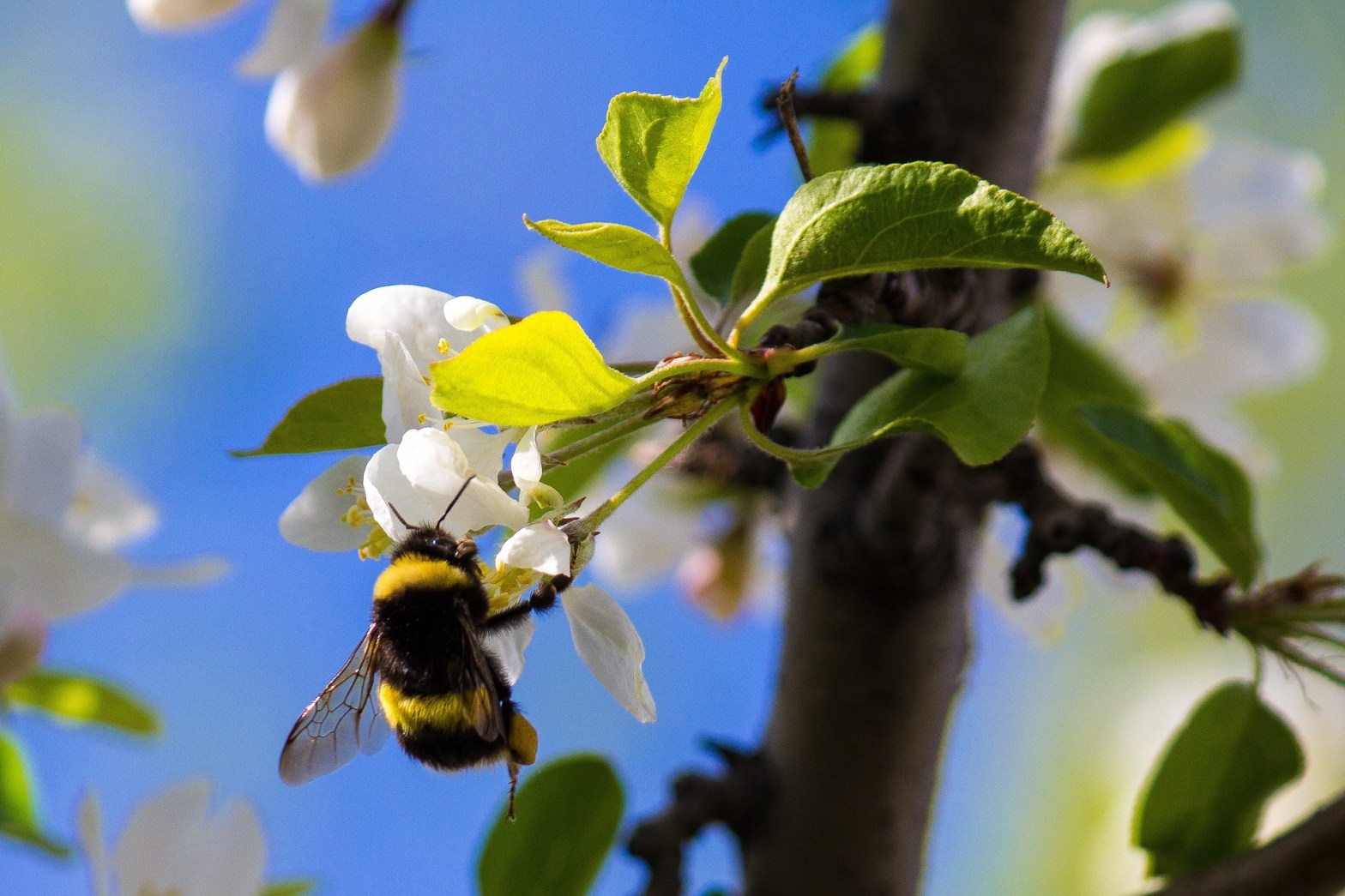
Animals pollinate about 75 percent of flowering plants, and they help to produce about one-third of all foods and beverages consumed by humans.
How baby carrots became a nutritious snack
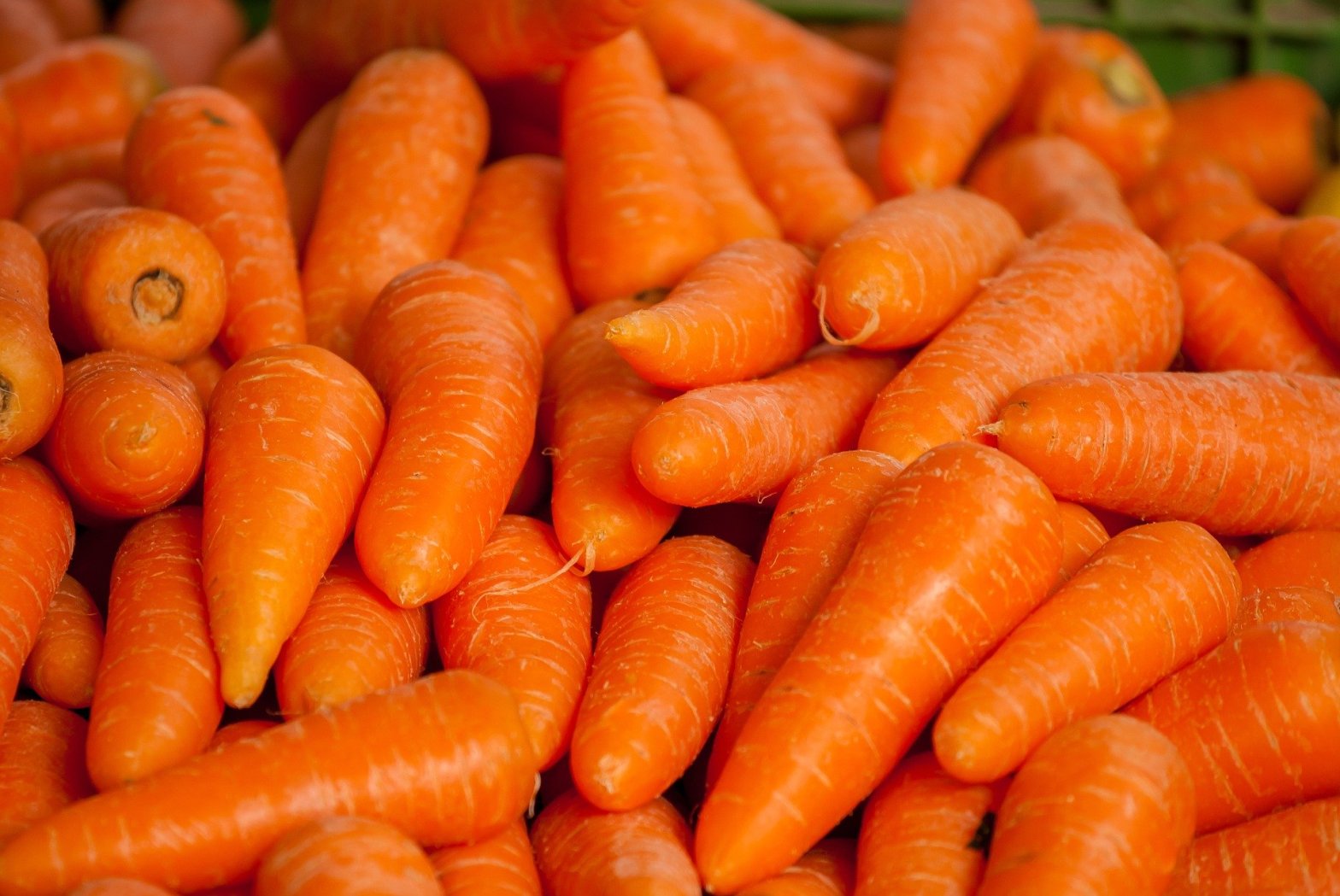
In 1986 Mike Yurosek, a California carrot farmer, came up with the idea to cut up and peel carrots that were too ugly or broken to be sold. Normally, the ugly carrots were sorted from the pretty carrots and discarded.
From farm to fork: Growing, selecting, & cooking sweet corn
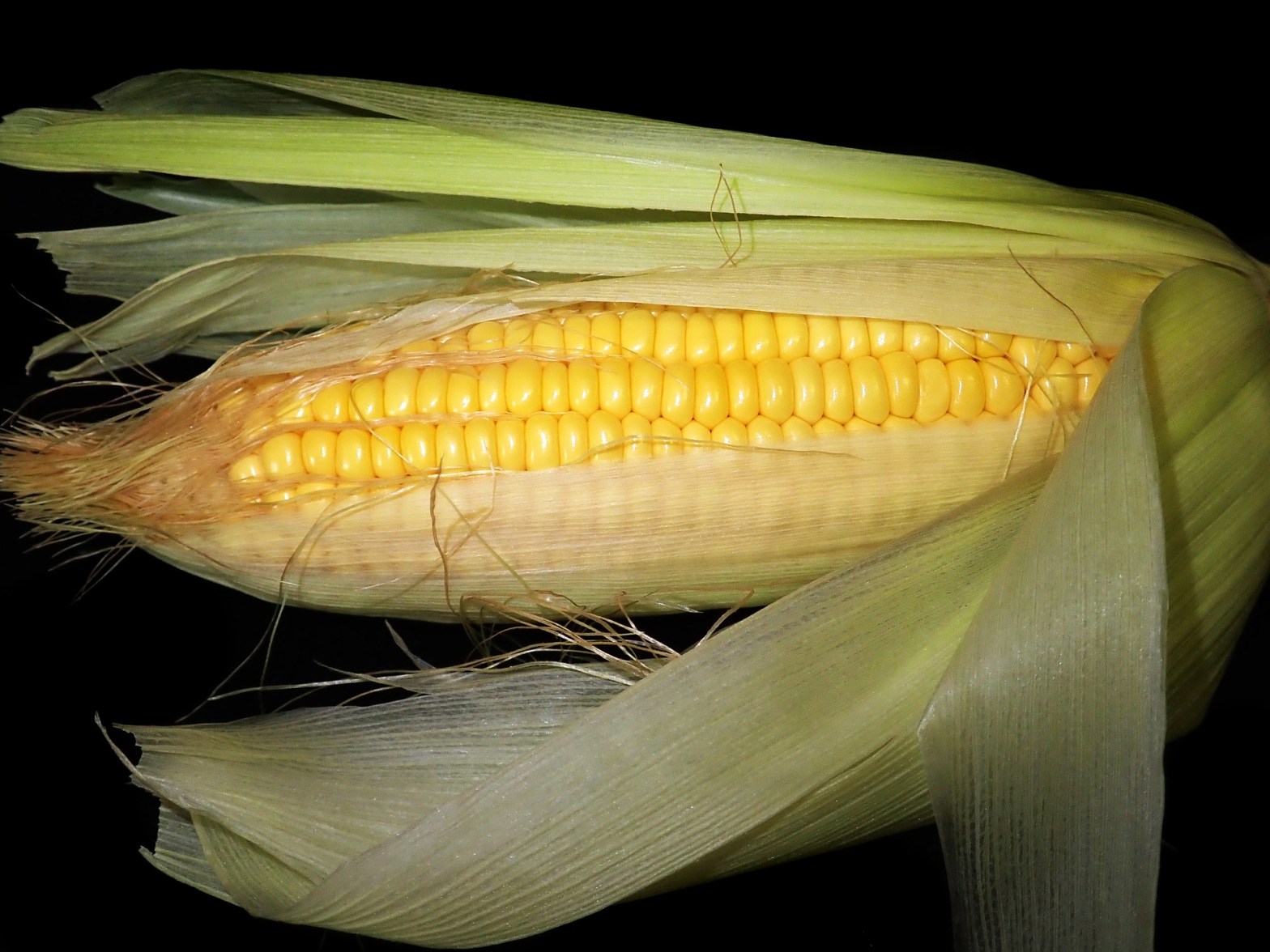
More than 99 percent of the corn you see while driving through the Midwest is field corn, which is different from sweet corn.
Reducing waste to help the environment

Recycling and composting are two easy ways to help prevent unnecessary waste from polluting the ground. In fact, the Environmental Protection Agency (EPA) says these methods led to a 7 percent decrease in the amount of trash sent to landfills in 2012 compared to 1990.
Monsanto’s plant breeders play matchmaker
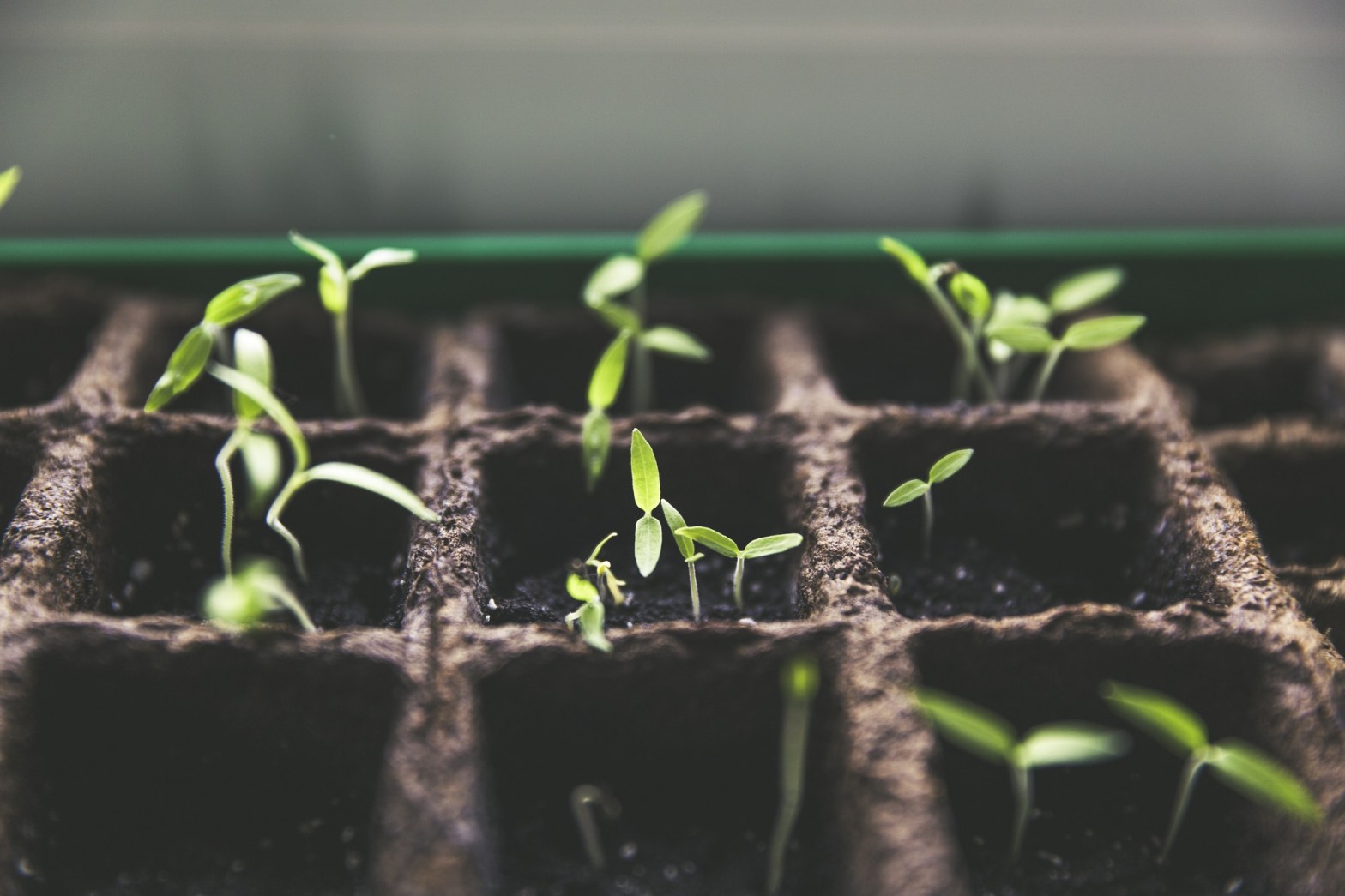
Like matchmakers, the goal of plant breeders is to bring together the two plants best-suited for each other so they can produce offspring with the best characteristics of both. The resulting offspring are called hybrids or varieties, depending on the crop.
Composting improves soil health

Composting is a way to dispose of certain types of waste without sending it to landfills. According to the Environmental Protection Agency, composting is important because it has the ability to enrich and clean contaminated soils; help prevent pollution; decrease water, fertilizer and pesticide usage; and eliminate heavy metals, oil, grease and solids from storm water runoff.
Looking for a job? Consider agriculture!

According to a recent analysis by Purdue University, only 61 percent of the estimated 57,900 annual openings are filled each year in the food, agriculture, renewable natural resources and environmental industries.
 Brandie Kramer